Food Guide: Nutrition, Culture, and Healthy Eating Essentials
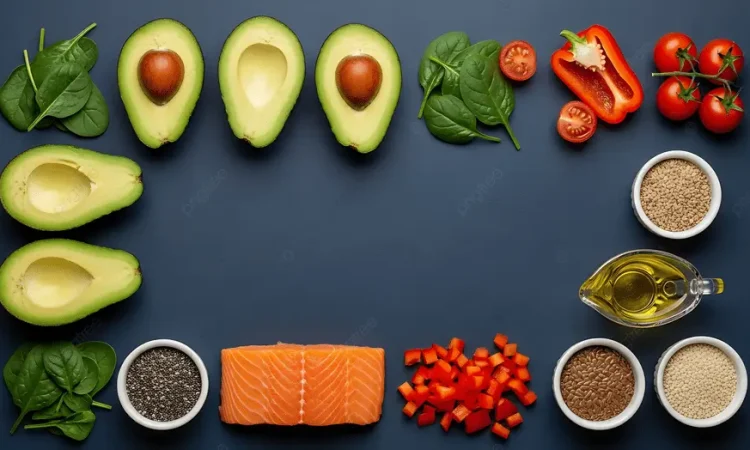
Food is far more than fuel. It shapes health, reflects culture, builds community, and influences how we feel every day. From traditional home-cooked meals to modern dietary trends, understanding food helps people make better choices for both body and mind.
The Role of Food in Human Life
Food provides essential nutrients that support growth, repair, and energy. Beyond biology, it also plays a social and emotional role, bringing people together during celebrations, rituals, and everyday meals.
Why Food Matters
-
Supports physical health and immunity
-
Influences mental well-being and mood
-
Preserves cultural identity and heritage
-
Strengthens social bonds
Major Food Groups Explained
A balanced diet includes a variety of food groups, each serving a unique purpose.
Fruits and Vegetables
Rich in vitamins, minerals, fiber, and antioxidants, fruits and vegetables help reduce the risk of chronic diseases and support digestion.
Key benefits
-
Boost immunity
-
Improve gut health
-
Support skin and eye health
Grains and Cereals
Grains are a primary source of carbohydrates, the body’s main energy supply. Whole grains offer added fiber and nutrients.
Examples
-
Rice
-
Oats
-
Wheat
-
Quinoa
Protein Sources
Protein is vital for muscle repair, enzyme production, and immune function.
Common protein foods
-
Eggs and dairy
-
Fish and lean meats
-
Beans, lentils, and tofu
Fats and Oils
Healthy fats support brain function and hormone production when consumed in moderation.
Healthier options
-
Olive oil
-
Nuts and seeds
-
Avocados
Food and Culture: More Than Taste
Every culture has signature dishes shaped by geography, climate, and history. Food traditions pass knowledge from one generation to the next, keeping cultural stories alive.
Examples of cultural influence
-
Spices defining regional flavors
-
Cooking techniques passed through families
-
Festive foods tied to holidays and rituals
Healthy Eating in the Modern World
With fast-paced lifestyles, many people rely on processed foods. While convenient, these often lack nutrients and contain excess sugar, salt, and unhealthy fats.
Tips for Healthier Food Choices
-
Choose whole, minimally processed foods
-
Read nutrition labels carefully
-
Balance portions instead of extreme restrictions
-
Stay hydrated throughout the day
The Rise of Mindful Eating
Mindful eating encourages paying attention to hunger cues, food quality, and eating habits. It promotes a healthier relationship with food rather than strict dieting.
Benefits of mindful eating
-
Better digestion
-
Reduced overeating
-
Greater enjoyment of meals
Frequently Asked Questions (FAQs)
1. What is the most important food group for daily health?
All food groups are important, but fruits and vegetables are especially crucial due to their vitamins, minerals, and antioxidants.
2. How can someone eat healthy on a busy schedule?
Planning meals ahead, choosing simple whole foods, and limiting processed snacks can help maintain a healthy diet even with limited time.
3. Is it necessary to avoid fats completely?
No, healthy fats are essential for the body. The key is moderation and choosing unsaturated fats over trans fats.
4. How does food affect mental health?
Certain foods support brain function and mood, while poor nutrition may contribute to fatigue and emotional imbalance.
5. Can cultural foods be part of a healthy diet?
Yes, traditional foods can be nutritious when prepared with balanced ingredients and mindful cooking methods.
6. What is mindful eating in simple terms?
Mindful eating means paying attention to what, how, and why you eat, focusing on hunger signals and enjoyment.
7. How much variety should be included in daily meals?
Including a wide variety of foods ensures better nutrient intake and reduces the risk of deficiencies.