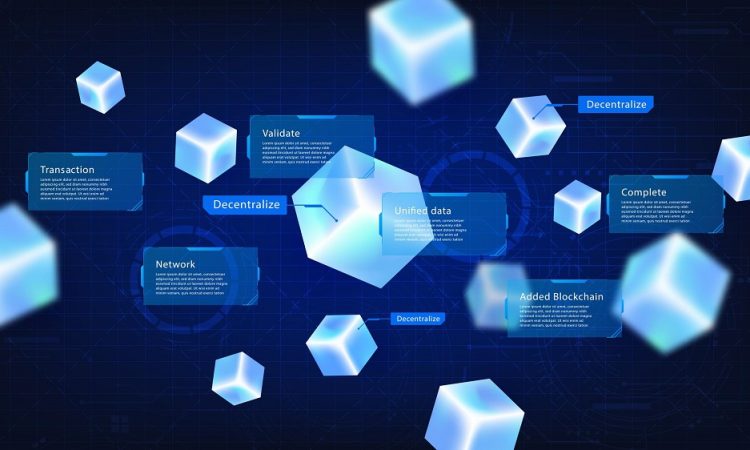
Blockchain is often associated with digital currencies like Bitcoin or Ethereum. However, the technology behind these currencies—blockchain—has applications that extend far beyond financial transactions.
At its core, blockchain is a distributed digital ledger that records transactions across multiple computers. This decentralized system ensures transparency, security, and immutability. Because data stored on a blockchain cannot easily be altered, it provides a reliable framework for industries that require trust, traceability, and verification.
As organizations explore new ways to handle data securely and transparently, blockchain is rapidly emerging as a transformative technology across multiple sectors.
Understanding Blockchain Technology
Blockchain is a distributed database where information is stored in blocks that are linked together in chronological order. Each block contains transaction data, a timestamp, and a cryptographic hash connecting it to the previous block.
Key Characteristics of Blockchain
Decentralization
Unlike traditional databases controlled by a central authority, blockchain networks distribute data across multiple nodes. This eliminates a single point of failure and enhances reliability.
Transparency
Transactions recorded on a blockchain are visible to all participants in the network. This transparency improves accountability and trust.
Immutability
Once data is added to the blockchain, it becomes extremely difficult to alter. This ensures the integrity of records.
Security
Blockchain uses advanced cryptographic techniques to protect data, making unauthorized manipulation nearly impossible.
Major Applications of Blockchain Beyond Cryptocurrency
1. Supply Chain Management
One of the most promising uses of blockchain lies in supply chain management. Traditional supply chains often lack transparency, making it difficult to trace the origin of products or verify authenticity.
Blockchain helps by recording every stage of a product’s journey—from manufacturing to delivery.
Benefits include:
- Improved product traceability
- Reduced fraud and counterfeit goods
- Real-time visibility across supply chains
- Enhanced efficiency in logistics operations
Companies can track products such as pharmaceuticals, food items, and luxury goods to ensure quality and authenticity.
2. Healthcare Data Management
Healthcare systems manage massive amounts of sensitive patient data. Blockchain can help by providing a secure and interoperable system for storing medical records.
Key advantages include:
- Secure patient records accessible only with permission
- Reduced medical data breaches
- Improved sharing of records between hospitals
- Better tracking of pharmaceuticals to prevent counterfeit drugs
Patients could potentially control their own medical data while allowing healthcare providers limited access when necessary.
3. Digital Identity Verification
Identity theft and data breaches are growing global concerns. Blockchain-based identity systems offer a secure and decentralized way to verify identities online.
Instead of storing personal information on centralized servers, users could maintain self-sovereign identities on a blockchain.
Possible uses include:
- Online identity verification
- Secure login systems
- Digital passports
- Voting systems
This approach reduces reliance on centralized databases that are vulnerable to hacking.
4. Smart Contracts
Smart contracts are self-executing agreements stored on a blockchain. They automatically execute actions when predefined conditions are met.
For example:
- A payment could be automatically released once a product is delivered.
- Insurance claims could be processed instantly after verification of an event.
These automated contracts reduce the need for intermediaries such as banks, lawyers, or brokers.
5. Voting Systems
Traditional voting systems can face issues such as fraud, lack of transparency, and slow result processing. Blockchain can improve election processes by providing tamper-resistant voting records.
Potential benefits include:
- Transparent vote counting
- Reduced risk of election manipulation
- Faster result verification
- Improved voter confidence
Blockchain-based voting systems could allow citizens to vote securely through digital platforms.
6. Intellectual Property Protection
Creators often struggle to protect their intellectual property. Blockchain can act as a permanent digital proof of ownership.
Artists, writers, musicians, and designers can register their work on a blockchain to establish verifiable ownership.
Applications include:
- Digital copyright registration
- Tracking royalty payments
- Protecting creative content from unauthorized use
Advantages of Blockchain Adoption
Organizations exploring blockchain adoption can benefit from several key advantages:
- Enhanced transparency in transactions and record keeping
- Improved data security through cryptographic protection
- Reduced operational costs by eliminating intermediaries
- Greater efficiency through automation and real-time verification
- Improved trust among participants in decentralized networks
These benefits make blockchain attractive for industries seeking secure and efficient data management solutions.
Challenges and Limitations
Despite its potential, blockchain technology faces several challenges that must be addressed before widespread adoption.
Scalability Issues
Blockchain networks can struggle to handle a high volume of transactions quickly compared to traditional systems.
Regulatory Uncertainty
Many governments are still developing regulations related to blockchain applications, which can slow innovation.
Energy Consumption
Certain blockchain networks require significant computing power, leading to high energy usage.
Integration Complexity
Integrating blockchain with existing systems can be technically complex and costly for organizations.
The Future of Blockchain Technology
Blockchain is evolving rapidly and expanding into new sectors. Businesses, governments, and research institutions are exploring innovative uses such as decentralized finance, digital asset management, and secure data sharing platforms.
As technology matures and scalability improves, blockchain is expected to play a crucial role in shaping the next generation of digital infrastructure.
Rather than being limited to cryptocurrency, blockchain is emerging as a foundational technology for secure, transparent, and decentralized systems across industries.
Frequently Asked Questions (FAQs)
1. What is blockchain technology in simple terms?
Blockchain is a decentralized digital ledger that records transactions across multiple computers in a secure and transparent way. Once data is recorded, it becomes extremely difficult to change.
2. Is blockchain only used for cryptocurrency?
No. While blockchain powers cryptocurrencies, it is also used in industries such as healthcare, supply chain management, digital identity verification, and voting systems.
3. What makes blockchain secure?
Blockchain uses cryptographic hashing, distributed networks, and consensus mechanisms to ensure that data cannot easily be altered or tampered with.
4. What are smart contracts?
Smart contracts are self-executing programs stored on a blockchain that automatically perform actions when certain conditions are met.
5. Can blockchain improve supply chain transparency?
Yes. Blockchain allows every step of a product’s journey to be recorded, making it easier to verify authenticity and track goods throughout the supply chain.
6. What industries are adopting blockchain technology?
Industries adopting blockchain include healthcare, finance, logistics, government services, real estate, and digital identity management.
7. What are the main limitations of blockchain?
Major limitations include scalability challenges, regulatory uncertainty, energy consumption, and the complexity of integrating blockchain with existing systems.