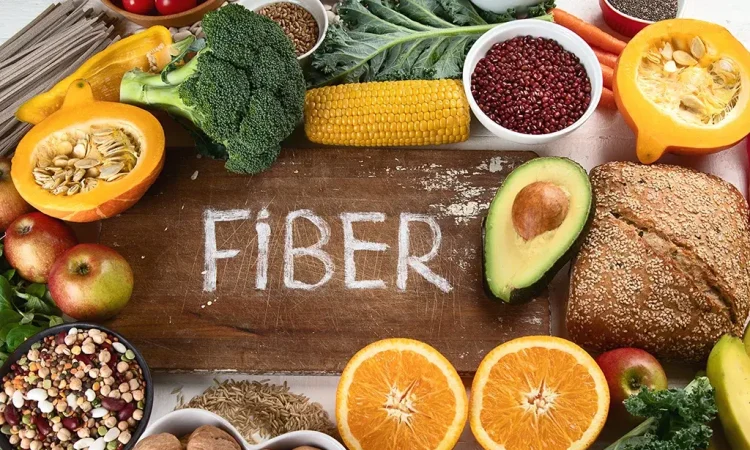
Digestive health plays a central role in overall well-being, influencing everything from nutrient absorption to immune function. One of the most essential yet often overlooked components of a healthy digestive system is dietary fiber.
Fiber is a type of carbohydrate found in plant foods that the body cannot fully digest. Instead of being broken down like other nutrients, it passes through the digestive system, supporting gut function in several important ways.
A diet rich in fiber not only promotes regular bowel movements but also contributes to better gut bacteria balance, improved metabolism, and reduced risk of various digestive disorders.
What Is Dietary Fiber?
Dietary fiber refers to the indigestible parts of plant-based foods such as fruits, vegetables, legumes, nuts, seeds, and whole grains. Unlike other carbohydrates, fiber moves through the digestive system mostly intact.
Fiber is typically divided into two main types:
1. Soluble Fiber
Soluble fiber dissolves in water and forms a gel-like substance in the digestive tract.
Key benefits:
- Slows digestion
- Helps regulate blood sugar levels
- Lowers cholesterol levels
- Supports beneficial gut bacteria
Common sources include:
- Oats
- Apples
- Beans
- Lentils
- Chia seeds
- Citrus fruits
2. Insoluble Fiber
Insoluble fiber does not dissolve in water and adds bulk to stool, helping food move through the digestive tract efficiently.
Benefits include:
- Prevents constipation
- Promotes regular bowel movements
- Supports colon health
Major sources include:
- Whole wheat
- Brown rice
- Carrots
- Broccoli
- Nuts
- Seeds
Most fiber-rich foods contain both types, which work together to support digestive health.
How Fiber Supports Digestive Health
Fiber contributes to digestive wellness in several powerful ways.
1. Promotes Regular Bowel Movements
One of the most well-known benefits of fiber is its ability to prevent constipation. Insoluble fiber increases stool bulk and helps waste move more quickly through the intestines.
Regular bowel movements help reduce discomfort, bloating, and digestive strain.
2. Supports Healthy Gut Bacteria
The gut contains trillions of microorganisms that influence digestion, immunity, and even mood. Certain types of soluble fiber act as prebiotics, feeding beneficial gut bacteria.
When these bacteria ferment fiber, they produce short-chain fatty acids, which support intestinal health and reduce inflammation.
3. Helps Prevent Digestive Disorders
Adequate fiber intake is associated with a lower risk of several digestive conditions, including:
- Constipation
- Hemorrhoids
- Diverticular disease
- Irritable bowel syndrome (IBS)
Fiber keeps the digestive system functioning smoothly and reduces pressure in the colon.
4. Improves Nutrient Absorption
A healthy digestive tract is better at absorbing vitamins and minerals from food. By maintaining balanced gut bacteria and regular digestion, fiber indirectly improves nutrient utilization.
5. Supports Weight Management
Fiber-rich foods tend to be more filling and take longer to digest. This helps control appetite and prevents overeating, which indirectly benefits digestive health and metabolism.
6. Regulates Blood Sugar Levels
Soluble fiber slows the absorption of sugar in the bloodstream. This prevents rapid spikes in blood sugar and supports stable energy levels throughout the day.
Best High-Fiber Foods for Digestive Health
Incorporating a variety of plant foods is the easiest way to increase fiber intake.
Top fiber-rich foods include:
Fruits
- Apples
- Pears
- Berries
- Bananas
- Oranges
Vegetables
- Broccoli
- Carrots
- Spinach
- Brussels sprouts
- Sweet potatoes
Whole Grains
- Oats
- Brown rice
- Quinoa
- Whole wheat bread
- Barley
Legumes
- Lentils
- Chickpeas
- Black beans
- Kidney beans
- Peas
Nuts and Seeds
- Almonds
- Flaxseeds
- Chia seeds
- Sunflower seeds
Eating a wide range of these foods helps ensure balanced intake of both soluble and insoluble fiber.
How Much Fiber Do You Need Daily?
Recommended daily fiber intake varies by age and gender, but general guidelines suggest:
- Women: about 25 grams per day
- Men: about 30–38 grams per day
However, many people consume far less than the recommended amount due to diets high in refined and processed foods.
Tips for Increasing Fiber Intake Safely
Adding fiber to your diet should be done gradually to avoid digestive discomfort.
Practical tips include:
- Increase fiber slowly over several weeks
- Drink plenty of water
- Replace refined grains with whole grains
- Add fruits or vegetables to every meal
- Snack on nuts, seeds, or fresh fruit
Hydration is particularly important because fiber absorbs water during digestion.
Signs You May Need More Fiber
Low fiber intake can lead to several digestive issues.
Common signs include:
- Frequent constipation
- Irregular bowel movements
- Persistent bloating
- Difficulty maintaining a healthy weight
- Poor gut health
Improving fiber intake often resolves many of these symptoms naturally.
Potential Side Effects of Too Much Fiber
Although fiber is beneficial, excessive intake too quickly can cause temporary discomfort.
Possible side effects include:
- Gas
- Bloating
- Abdominal cramps
- Digestive discomfort
These symptoms usually improve as the digestive system adapts.
Conclusion
Dietary fiber plays a vital role in maintaining a healthy digestive system. By promoting regular bowel movements, nourishing beneficial gut bacteria, and reducing the risk of digestive disorders, fiber supports both short-term digestive comfort and long-term health.
Including a variety of fiber-rich fruits, vegetables, whole grains, legumes, nuts, and seeds in daily meals can significantly improve digestive function and overall wellness.
Frequently Asked Questions (FAQs)
1. What is the main function of fiber in digestion?
Fiber helps move food through the digestive tract, supports healthy gut bacteria, and promotes regular bowel movements.
2. Can fiber help with constipation?
Yes. Insoluble fiber adds bulk to stool and helps waste pass through the intestines more easily, reducing constipation.
3. Is fiber beneficial for gut bacteria?
Certain types of fiber act as prebiotics, feeding beneficial bacteria in the gut and improving microbiome balance.
4. Can too much fiber cause digestive problems?
Yes. Consuming large amounts of fiber suddenly can cause bloating, gas, and discomfort. Increasing intake gradually helps prevent these issues.
5. Are fiber supplements as effective as natural fiber?
While supplements can help, whole foods provide additional nutrients, antioxidants, and beneficial compounds that supplements may lack.
6. Does cooking food reduce fiber content?
Cooking may slightly reduce fiber in some foods, but most fiber remains intact and continues to provide digestive benefits.
7. What is the easiest way to add more fiber to your diet?
Start by replacing refined grains with whole grains, adding fruits or vegetables to each meal, and including legumes in weekly meals.