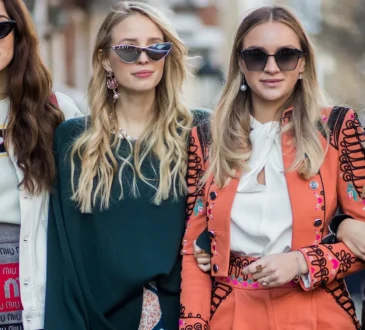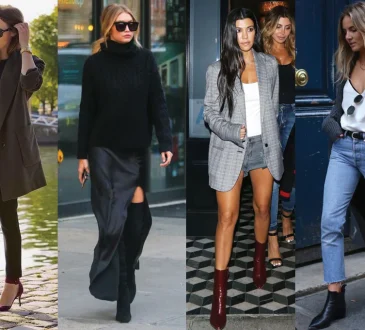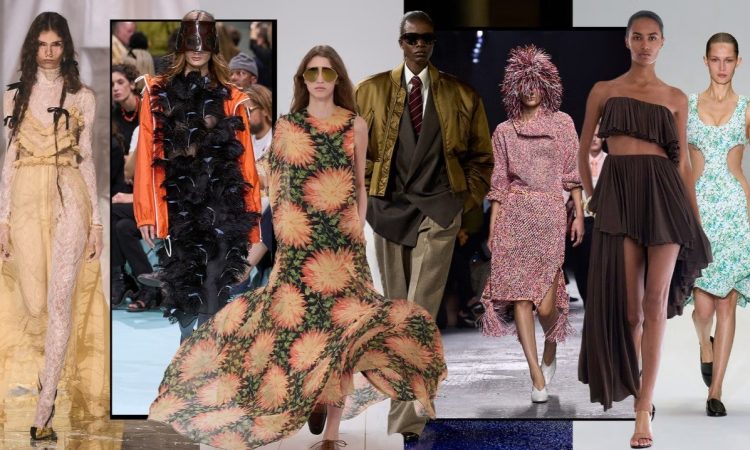
Fashion is more than clothing; it is a living expression of culture, identity, and innovation. From handcrafted traditions to technology-driven design, modern fashion reflects how people live, think, and adapt. As trends evolve faster than ever, the industry is also facing deeper questions about ethics, sustainability, and individuality.
The Meaning of Fashion Beyond Trends
Fashion has always served as a mirror of society. What people wear often signals social change, economic conditions, and personal values. In today’s world, fashion plays several important roles:
-
It allows individuals to express personality and creativity
-
It reflects cultural heritage and global influences
-
It acts as a form of non-verbal communication
-
It connects art, commerce, and technology
Rather than simply following trends, many consumers now use fashion as a way to define who they are.
Evolution of Fashion in the Digital Age
The digital revolution has reshaped how fashion is created, consumed, and shared. Social media platforms, online stores, and digital fashion shows have replaced many traditional gatekeepers.
Key changes shaping modern fashion
-
Instant trend cycles driven by social media
-
Direct-to-consumer brands gaining popularity
-
Virtual try-ons and AI-powered recommendations
-
Influencer culture redefining style authority
Fashion is no longer seasonal alone; it is real-time and global.
Sustainability and Ethical Fashion
One of the most important shifts in fashion today is the focus on sustainability. Consumers are increasingly aware of the environmental and social costs of fast fashion.
Sustainable fashion focuses on:
-
Eco-friendly fabrics and materials
-
Ethical labor practices
-
Reduced waste and recycling
-
Durable, long-lasting design
Brands that prioritize transparency and responsibility are gaining trust and loyalty, signaling a long-term transformation in the industry.
Personal Style in a Trend-Driven World
While trends dominate headlines, personal style remains timeless. True style is about confidence, comfort, and authenticity, not constant consumption.
Building a strong personal style includes:
-
Understanding your lifestyle and preferences
-
Investing in versatile wardrobe essentials
-
Mixing classic pieces with modern accents
-
Choosing quality over quantity
Personal style empowers individuals to stand out without chasing every new trend.
The Business Side of Fashion
Fashion is also a global economic powerhouse. From luxury houses to independent designers, the industry supports millions of jobs worldwide.
Major sectors within fashion include:
-
Apparel and accessories
-
Luxury and haute couture
-
Streetwear and casual fashion
-
Fashion technology and innovation
As consumer behavior changes, brands must adapt quickly to remain relevant and competitive.
Cultural Influence on Fashion
Fashion does not exist in isolation. Music, art, film, and social movements all shape what people wear. Cultural exchange has made fashion more diverse, but it has also raised conversations about representation and respect.
Designers are increasingly drawing inspiration from global cultures while being mindful of authenticity and inclusivity.
The Future of Fashion
The future of fashion is expected to blend technology, sustainability, and individuality. Smart fabrics, digital clothing, and circular fashion models are already emerging.
Rather than mass production alone, the industry is moving toward thoughtful creation and conscious consumption.
Frequently Asked Questions (FAQs)
What is the difference between fashion and style?
Fashion refers to popular trends, while style is a personal expression that remains consistent over time.
Why is sustainability important in fashion?
Sustainability helps reduce environmental damage, promotes ethical labor, and encourages responsible consumption.
How has social media changed fashion trends?
Social media accelerates trend cycles and allows individuals to influence fashion globally in real time.
Can affordable fashion still be ethical?
Yes, many brands focus on ethical sourcing and fair labor while maintaining accessible pricing.
What role does technology play in fashion today?
Technology improves design, production, personalization, and shopping experiences through tools like AI and virtual try-ons.
Is fast fashion declining?
While still present, fast fashion faces growing criticism, pushing consumers toward more mindful alternatives.
How can someone develop their own fashion sense?
By understanding personal preferences, investing in quality basics, and wearing what feels authentic and comfortable.