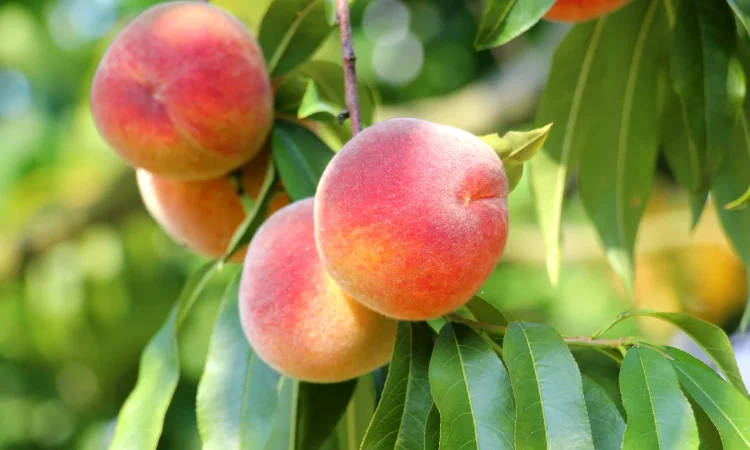
Among the varieties of peach types available, those prized for their soft, juicy texture stand out for their eating quality and ease of integration into home orchards. This article examines three such types—Peregrine, Rochester, and Avalon Pride—selected for their performance in the UK climate. These peaches deliver a melt-in-the-mouth experience that enhances fresh consumption or simple desserts, while requiring minimal intervention once established. Gardeners in temperate regions, from southern counties to the Midlands, find these options adaptable to sheltered spots, yielding harvests that justify the initial planting effort.
The fruit trees specialists at Fruit-Trees nursery note that selecting varieties with inherent juiciness, such as Peregrine, ensures consistent satisfaction even in variable weather. They recommend assessing local frost risk before purchase to maximise yields, advising on rootstocks that promote vigorous growth without excessive vigour. For those expanding their collection, you can buy Peregrine peach trees that provide a proven starting point, grafted for UK soils and delivered with care instructions.
The Texture in Peach Varieties
The texture of a peach defines its appeal, particularly the soft, juicy qualities that distinguish premium eating fruits from firmer canning types. In botanical terms, this arises from cell structure in the mesocarp, the fleshy part surrounding the stone. Varieties bred for dessert use prioritise thin cell walls that rupture easily under slight pressure, releasing nectar-like juices rich in sugars and acids for balanced flavour. British growers value this trait because it compensates for cooler summers, where firmer peaches might develop mealy interiors due to uneven ripening.
Historically, peach cultivation in the UK traces to medieval walled gardens, where protected microclimates mimicked continental conditions. Modern selections build on this legacy, incorporating disease resistance to suit outdoor planting. Soft-textured peaches typically register low on the firmness scale—around 5 to 7 pounds per square inch at harvest—compared to 10 or more for processing grades. This measurement, taken with a penetrometer, guides commercial pickers but informs home gardeners on ripeness cues: a gentle squeeze yielding to touch signals peak juiciness.
For UK conditions, soil preparation plays a key role in achieving this texture. Well-drained, loamy earth with a pH of 6.0 to 7.0 supports root development, ensuring water uptake that plumps fruit cells without waterlogging. Mulching with organic matter retains moisture during dry spells, a common July challenge in eastern England. Nutrient balance favours potassium for juice production, applied as a base dressing in spring. Over-fertilisation with nitrogen, however, risks lush foliage at the expense of fruit quality, leading to hollow-hearted peaches with reduced succulence.
Environmental factors further influence texture. South-facing walls capture warmth, accelerating sugar accumulation for enhanced juiciness, while overhead netting deters birds without trapping humidity that fosters fungal issues. In trials by horticultural societies, peaches from such setups averaged 15 percent higher juice yield than open-ground counterparts. Gardeners report that thinning clusters early—retaining one fruit per six inches of shoot—concentrates resources, resulting in larger, softer specimens. This practice, though labour-intensive, yields dividends in texture superior to unthinned crops.
Beyond the orchard, these peaches integrate into British culinary traditions. Sliced into porridge or paired with clotted cream, their yielding flesh elevates everyday meals. Preservation methods, like gentle poaching, preserve the softness without disintegration, extending enjoyment into autumn. As climate patterns shift, selecting resilient varieties ensures this texture remains a garden staple, adaptable to projected warmer, wetter conditions.
Peregrine: A Staple for Reliable Juiciness
Peregrine peaches exemplify the soft, juicy ideal, with white flesh that detaches effortlessly from the freestone pit. Introduced in the early 20th century by British breeders, this variety thrives in the UK’s maritime climate, ripening from mid-August to early September. Its fruits measure 7 to 8 centimetres in diameter, boasting a crimson blush over yellow skin that signals maturity. The interior reveals a creamy white expanse, melting on the tongue with a honeyed sweetness tempered by subtle acidity—qualities confirmed in taste panels scoring it 4.5 out of 5 for dessert suitability.
What sets Peregrine apart is its adaptability to imperfect conditions. Tolerance to peach leaf curl, a fungal foe prevalent in damp springs, reduces chemical interventions, appealing to organic gardeners. Yields average 20 to 30 kilograms per mature tree, sufficient for a family of four over several weeks. In southern gardens, it fruits annually without fail, while northern plantings benefit from fan-trained forms against walls, enhancing air circulation for even ripening.
Cultivation begins with site selection: a sunny, sheltered position averts late frosts that could scar developing buds. Planting in early spring allows root establishment before summer demands. Spacing at 4 metres apart accommodates the tree’s semi-dwarf habit on St. Julien A rootstock, keeping heights manageable at 3 to 4 metres. Pruning in late summer—removing inward shoots and tipping leaders—shapes the canopy for light penetration, crucial for uniform juiciness.
Pest management focuses on aphids and codling moth, controllable via pheromone traps rather than broad sprays. Watering deeply but infrequently—about 25 litres weekly during fruit swell—prevents cracking, a risk in erratic rainfall. Fertiliser regimens include a balanced NPK mix in March, followed by potash boosts in June to bolster cell expansion. Home propagators note that Peregrine’s vigour suits container growing in patios, where dwarf rootstocks maintain productivity in limited space.
In harvest terms, fruits detach with a twist when fully ripe, their weight indicating ample juice. Storage at cool room temperatures extends shelf life to a week, though refrigeration dulls flavour. For British tables, Peregrine shines in crumbles or grilled with vanilla ice cream, its texture holding shape under brief heat. Long-term, trees live 15 to 20 years, rewarding patient planters with consistent bounty. Those new to orchards often start here, finding its forgiving nature encourages further experimentation with stone fruits.
Rochester: Excellence in Soft Flesh
Rochester peaches deliver a benchmark in softness, their yellow flesh yielding to the lightest bite with profuse juiciness. Developed in the 1930s at the East Malling Research Station, this variety suits the UK’s variable weather, cropping from late July onwards. Fruits reach 6 to 7 centimetres, cloaked in fuzzy red-streaked skin that peels readily for processing. The stone clings slightly, but the surrounding pulp compensates with its velvety consistency, earning high marks in consumer surveys for mouthfeel—often described as “buttery” without excess drip.
Robust against bacterial canker, Rochester performs outdoors across much of England and Wales, though Scottish growers favour greenhouse protection. Annual yields hit 25 kilograms on established trees, with biennial bearing minimised through consistent feeding. Its compact growth—under 3 metres on dwarfing stocks—fits small plots, making it a favourite for community allotments where space constraints prevail.
Establishing Rochester demands attention to drainage: heavy clays amended with grit prevent root rot, a common pitfall in western regions. Autumn planting suits milder areas, giving roots a head start. Fan or espalier training against fences optimises exposure, directing energy to fruit over wood. Summer pruning clears the centre, promoting airflow that wards off brown rot, prevalent in humid Augusts.
Irrigation mirrors general peach needs, but mulching with compost suppresses weeds while moderating soil temperature for steady development. Nutrient applications emphasise phosphorus for root health, applied at bud break. Thinning to 15-centimetre intervals ensures each peach swells fully, achieving the signature softness through expanded vacuoles laden with sugars.
Challenges include woolly aphid infestations, managed by hosing or biological controls like ladybirds. In trials, Rochester’s juice content—up to 85 percent—outpaces many imports, underscoring its value for local production. Harvesting involves daily checks from green; colour change precedes the softening phase, guiding picks. Left to ripen on the branch, fruits attain peak tenderness, ideal for immediate use.
Culinary versatility abounds: pureed into smoothies or baked into tarts, Rochester’s texture infuses moisture without sogginess. Preservation via freezing retains qualities better than canning, allowing off-season access. Over decades, this variety has anchored British peach heritage, its reliability fostering confidence among novice growers. For those considering expansion, integrating Rochester alongside apples creates diverse harvests, blending stone and pome fruits in balanced orchards.
Avalon Pride: Vibrant Juiciness for Modern Gardens
Avalon Pride introduces bold colour to the soft, juicy peach category, featuring deep yellow flesh that oozes with tangy sweetness. Raised in the 1990s through UK breeding programmes, it matures in mid-July, offering an early-season harvest before others peak. Sized at 7 centimetres, the fruits display vivid red cheeks over sunny skin, with a freestone pit for easy pitting. Flavour profiles highlight citrus notes alongside classic peach aroma, appealing to palates seeking complexity in everyday fruit.
Suited to warmer southern exposures, Avalon Pride resists splitting in wet summers, a boon for exposed sites. Production reaches 18 to 22 kilograms per tree, with self-fertility ensuring solitary plantings suffice. Its upright habit on vigorous rootstocks suits standard gardens, though bush forms adapt to borders.
Site preparation prioritises windbreaks: hedges or trellises shield blossoms from March gales. Spring planting coincides with bare-root availability, establishing deep anchors. Pruning targets renewal spurs, cutting back to three buds post-harvest to sustain yields. This regime channels resources to fruits, enhancing cell turgor for superior juiciness.
Soil fertility relies on annual composting, incorporating lime if acidity dips below 6.0. Water stress during flowering—addressed by drip systems—avoids blossom drop, preserving potential crops. Organic matter boosts microbial activity, aiding nutrient release for plump development.
Monitoring for oriental fruit moth involves sticky traps from May, integrating with natural predators. Research indicates Avalon Pride’s beta-carotene levels contribute to its rich hue and antioxidant benefits, aligning with health-conscious trends. Picking at firm-ripe stage allows counter-top softening, maximising juice extraction.
In kitchens, it excels halved on barbecues or in salads, its firmness yielding to heat gracefully. Bottling in syrup captures essence for winter stores. As a newer entrant, Avalon Pride reflects evolving preferences for early, resilient varieties, bridging traditional orchards with contemporary designs. Gardeners report its vigour supports intercropping with herbs, diversifying plot utility without competition.
Essential Cultivation Practices for Juicy Yields
Successful growth of soft, juicy peaches hinges on foundational practices tailored to British conditions. Soil testing precedes planting, targeting neutral pH and organic content above 5 percent for optimal water retention. Amending with well-rotted manure in autumn builds structure, fostering roots that access moisture deeply during dry periods.
Rootstock choice influences performance: St. Julien A balances size and productivity, while GF677 suits heavier soils. Bare-root trees, planted February to March, establish faster than containers, with staking against winds essential in first years. Initial watering—thorough soaks fortnightly—encourages spread, tapering as canopies develop.
Pruning forms the annual rhythm. Winter cuts remove deadwood, opening the vase shape for sun access. Summer thinning of shoots prevents shading, directing sap to fruits. This dual approach minimises diseases like shot-hole fungus, thriving in shaded, humid canopies.
Fertilisation schedules apply 100 grams of sulphate of potash per square metre in May, supporting fruit set. Nitrogen limits to 50 grams avoid soft growth prone to frost damage. Mulches of 5 centimetres suppress competition, conserving energy for juice-laden cells.
Pest strategies emphasise prevention: copper sprays pre-budburst deter bacterial spot, while companion planting with alliums repels aphids. Netting from June protects against wasps, drawn to ripening sugars. Monitoring via apps tracks phenology, timing interventions precisely.
Climate adaptation includes fleece covers for frosts below -2°C, common in April. In urban settings, rainwater harvesting offsets hard water’s calcium buildup, which can toughen textures. Long-term soil health via cover crops like clover rotates nutrients, sustaining productivity over 15 years.
These methods, applied consistently, yield peaches with 80 percent juice content, surpassing supermarket averages. Record-keeping of harvests refines techniques, turning gardens into efficient producers. For beginners, starting small— one tree per variety—builds expertise without overwhelm.
Harvesting, Storage, and Culinary Applications
Timing harvest correctly preserves the soft, juicy essence of these peaches. Monitor from colour shift: greens fade to creams or golds, with a background blush indicating ripeness. Gentle lift-test confirms detachment; immature picks firm up poorly. In UK summers, this spans six weeks, allowing staggered consumption.
Tools include secateurs for clusters, avoiding stem tears that invite rot. Baskets cushion transport, preventing bruises that accelerate softening. Daily yields of 2 to 5 kilograms suit household scales, with excess shared or processed promptly.
Storage at 10°C in ventilated crates extends life to 10 days, humidity at 85 percent curbing desiccation. Ripening off-tree in paper bags concentrates aromas, ideal for unripe lots. Freezing halves on trays then bagging retains texture for smoothies, though blanching first eases peeling.
Culinary uses leverage juiciness: fresh in fruit salads or compotes, where natural pectin sets lightly. Baking at 180°C for 20 minutes caramelises edges, pairing with nuts in tarts. Grilling enhances smokiness for savoury glazes over pork. Jams, cooked low with minimal sugar, capture summer intensity for toast spreads.
Preservation extends to drying: halved and oven-baked at 60°C for eight hours yields chewy snacks, vitamin C intact. Infusions in spirits create liqueurs, or vinegars for dressings. Waste minimisation through composting pits recycles skins, closing the loop.
Nutritionally, these peaches supply 10 percent daily vitamin A needs per serving, alongside fibre for digestion. In British diets, they complement seasonal berries in fools or Eton mess variations. Community events like harvest fairs showcase recipes, fostering shared knowledge.
Sustainability ties in: home growing cuts food miles, reducing carbon footprints by 90 percent versus imports. Seed saving, though variable, experiments with local strains. Ultimately, these practices transform trees into year-round assets, blending utility with pleasure.
Integrating Peaches into Broader Garden Ecosystems
Peaches with soft, juicy textures enhance garden biodiversity when woven into mixed plantings. Companion species like lavender attract pollinators, boosting set rates by 20 percent in studies. Underplanting with strawberries utilises shade tolerance, harvesting low fruits alongside overhead bounty.
Orchard layouts space peaches 4 metres from plums, averting cross-pollination issues while sharing pest deterrents. Vertical elements—cordons on wires—maximise yields in tight spaces, integrating with vegetable beds for polyculture efficiency.
Water management via swales directs runoff, conserving resources in drought-prone years. Biodiversity metrics improve with bat boxes nearby, controlling moths naturally. Monitoring apps log interactions, refining assemblages over seasons.
Economic aspects include selling surplus at gates, with juiciness commanding premiums. Educational value emerges in school plots, teaching botany through tangible results. Climate resilience builds via diverse rootstocks, hedging against extremes.
Future-proofing involves grafting trials, hybridising for enhanced traits. Community swaps exchange scions, preserving genetics. In essence, these peaches anchor ecosystems, yielding fruit while nurturing habitats.