Fashion in the UK is far more than just clothing; it is a reflection of culture, history, and modern identity. From the iconic tailoring of Savile Row to the cutting-edge designs that emerge from London Fashion Week, British fashion has earned its place on the global stage. With influences spanning from traditional heritage to contemporary streetwear, fashion UK is a dynamic and ever-evolving industry that blends tradition with innovation.
The Roots of British Fashion
Tailoring Traditions
One of the UK’s strongest contributions to global fashion is its tailoring heritage. Savile Row in London is synonymous with bespoke suits, precision cuts, and timeless craftsmanship. This tradition has shaped the perception of British style as refined, structured, and elegant.
Influence of Royal Fashion
The British Royal Family has always played a role in shaping fashion trends. From Queen Victoria’s adoption of white wedding dresses to Princess Diana’s iconic 1980s wardrobe and the modern elegance of Catherine, Princess of Wales, royal choices often set global fashion standards.
The Role of London Fashion Week
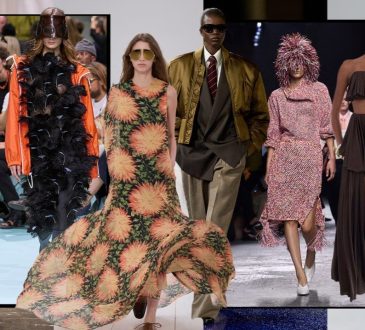
London Fashion Week is not only a celebration of creativity but also a launchpad for designers who later dominate the global stage. Unlike other fashion capitals, London is renowned for nurturing innovation and experimentation. Designers use the platform to challenge norms, blending tradition with bold expression.
Highlights include:
- Emerging designers showcasing sustainable collections
- Gender-fluid fashion pushing boundaries
- Experimentation with digital runway shows and tech integration
Streetwear and Youth Culture
The Rise of Street Style
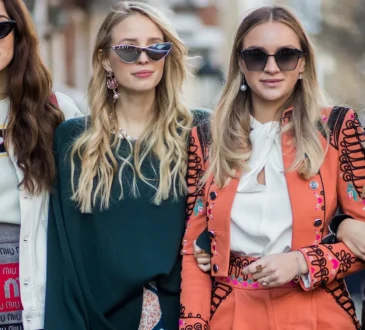
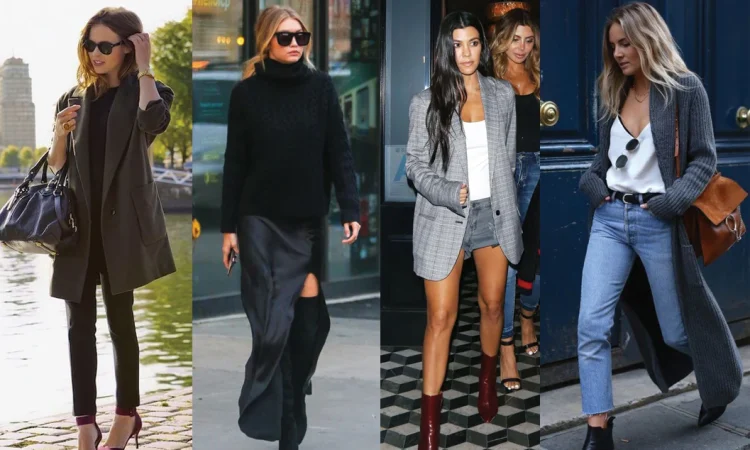
Streetwear has become central to fashion UK. London’s urban centres, from Shoreditch to Camden, are hotbeds for creative expression. The influence of music genres like punk, grime, and Britpop is evident in the styles that define youth culture.
Sustainable Streetwear
With growing awareness of sustainability, UK-based streetwear brands are now integrating eco-friendly fabrics and ethical production methods, balancing fashion with responsibility.
The Evolution of British High Street Fashion
High street fashion is where accessibility meets style. Shops across the UK have transformed the way fashion is consumed by offering affordable yet trendy clothing that quickly adapts to global influences. This sector plays a critical role in shaping everyday fashion choices.
Key characteristics:
- Rapid trend adoption from catwalk to consumer
- Affordability without sacrificing style
- Increasing adoption of online retail and fast delivery models
Sustainable Fashion in the UK
Growing Awareness
The UK is at the forefront of sustainable fashion initiatives. Consumers are becoming increasingly conscious of ethical sourcing, second-hand shopping, and reducing fashion waste. Charity shops, vintage boutiques, and online resale platforms are thriving.
Circular Fashion
Innovative UK brands are experimenting with circular fashion, where garments are designed to be reused, recycled, or repurposed. This approach not only reduces waste but also redefines what it means to be fashionable in the modern era.
Fashion and Cultural Identity
British fashion reflects the multicultural fabric of the nation. From South Asian-inspired textiles to Caribbean influences in streetwear, diversity enriches the UK’s fashion scene. This inclusivity makes British style both unique and globally appealing.
Festivals and Subcultures
Events like Notting Hill Carnival or Glastonbury Festival often influence mainstream fashion. Subcultures such as goth, punk, and mod originated in the UK and continue to shape alternative fashion worldwide.
The Digital Shift in UK Fashion
Online Retail and Social Media
Digital platforms have revolutionised how people shop and engage with fashion. Social media influencers, bloggers, and TikTok creators drive new trends, while e-commerce platforms make it possible for small designers to reach global audiences instantly.
Virtual Fashion Shows
The pandemic accelerated the adoption of digital fashion showcases. Many UK designers embraced virtual catwalks, giving wider access to audiences and highlighting the industry’s adaptability.
FAQs about Fashion UK
What makes British fashion unique compared to other countries?
British fashion is known for its blend of tradition and innovation. From heritage tailoring to bold streetwear, the UK embraces both history and modern creativity.
How important is sustainability in UK fashion today?
Sustainability is central. From thrift shopping to circular design, UK consumers and brands are driving change towards ethical and eco-friendly fashion.
Is London still considered a global fashion capital?
Yes, London remains a leading fashion hub. It is particularly celebrated for its role in championing young, experimental designers.
How does UK streetwear differ from American streetwear?
While American streetwear is often linked to hip-hop culture, UK streetwear draws from punk, grime, and subcultural influences, giving it a more rebellious and eclectic edge.
Do British festivals really influence fashion trends?
Absolutely. Festivals like Glastonbury inspire bohemian styles, while Notting Hill Carnival influences vibrant, colourful looks that often filter into mainstream fashion.
Where can I experience authentic British fashion culture?
Savile Row for traditional tailoring, Shoreditch for streetwear, and vintage markets in Brick Lane or Portobello Road for eclectic finds all offer authentic British fashion experiences.