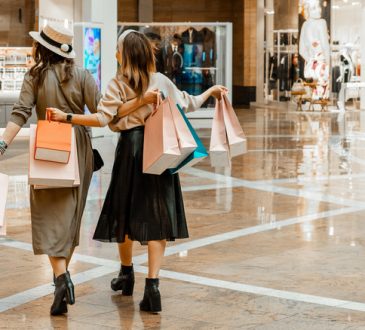
Shopping in the UK is an experience that blends history, culture, and modern trends. From iconic high streets to bustling markets and exclusive designer boutiques, the country offers something for every shopper. Whether you are a tourist exploring London or a local looking for the best deals, shopping in the UK is both diverse and rewarding.
The Landscape of Shopping in the UK
The UK is home to some of the world’s most recognised shopping destinations. The shopping culture here is built on a mix of tradition and innovation, making it a fascinating part of British lifestyle. The keyword shopping UK often captures everything from everyday essentials to luxury purchases, reflecting the sheer variety available.
High Streets
High streets are the backbone of UK shopping. Found in almost every town and city, they provide access to clothing, electronics, groceries, and local services. Popular high streets such as Oxford Street in London or Northumberland Street in Newcastle are known for offering flagship stores alongside smaller local shops.
Shopping Centres
Shopping centres are a modern evolution of retail. They combine convenience with entertainment, offering food courts, cinemas, and family-friendly spaces. Major centres like Westfield London or the Trafford Centre in Manchester attract millions of visitors annually, housing both local and international brands.
Independent Boutiques
For those who value individuality, the UK has a thriving independent retail scene. Boutiques in areas like Brighton’s Lanes or Shoreditch in East London showcase handmade jewellery, bespoke clothing, and artisan goods.
Markets: The Heart of Local Shopping
Markets have played an essential role in British life for centuries. They remain a highlight of shopping in the UK, offering everything from fresh produce to antiques.
-
Food Markets: Borough Market in London and St Nicholas Market in Bristol are famous for artisan cheeses, bread, and gourmet treats.
-
Vintage Markets: Camden Market is ideal for alternative fashion and unique gifts.
-
Farmers’ Markets: Many towns hold weekly farmers’ markets, promoting fresh, local, and sustainable produce.
Markets are not just about shopping but also community. They bring people together, offering a social experience that high street stores cannot replicate.
Luxury Shopping in the UK
The UK is renowned for its luxury shopping destinations. London alone is a global capital for high-end fashion, jewellery, and designer goods.
-
Bond Street: Famous for luxury boutiques and designer labels.
-
Knightsbridge: Home to the world-renowned Harrods and Harvey Nichols.
-
Mayfair: Offers exclusive showrooms for high-end fashion houses.
For international travellers, luxury shopping in the UK is also enhanced by tax-free shopping, making it an attractive choice for big-ticket purchases.
Online Shopping in the UK
E-commerce has revolutionised shopping habits in the UK. With fast delivery services, flexible return policies, and extensive product ranges, online shopping is now a daily norm. Retailers offer both nationwide delivery and click-and-collect services, blending digital convenience with physical accessibility.
Benefits of Online Shopping
-
Convenience of 24/7 access
-
Competitive pricing
-
Exclusive online-only deals
-
Home delivery or local collection options
Seasonal Shopping and Sales
One of the most exciting aspects of shopping in the UK is seasonal sales. Shoppers can find incredible deals during specific periods.
-
Boxing Day Sales: Traditionally the busiest shopping day of the year.
-
Black Friday and Cyber Monday: Adopted from the US but now a major retail event in the UK.
-
Mid-Season and Summer Sales: Perfect for fashion deals and seasonal clearances.
Savvy shoppers often plan purchases around these dates to secure the best bargains.
Sustainable and Ethical Shopping
There has been a strong movement towards sustainability in UK shopping culture. Many consumers now prioritise eco-friendly products, fair trade items, and second-hand goods.
-
Charity Shops: Found in nearly every town, selling pre-loved clothes and household items to raise money for good causes.
-
Zero-Waste Stores: Offering refill stations for groceries and cleaning products.
-
Ethical Brands: Gaining popularity for their focus on responsible sourcing and production.
Shopping for Tourists
Tourists visiting the UK often make shopping a key part of their itinerary. Popular choices include souvenirs, British fashion, and traditional goods like tea, shortbread, or woollen products.
Tourist-Friendly Features
-
Multilingual staff in key destinations
-
VAT refund schemes for international visitors
-
Duty-free options at airports
Tips for Smart Shopping in the UK
To make the most out of shopping in the UK, consider the following:
-
Compare prices online before buying in-store
-
Look out for student, senior, or NHS staff discounts
-
Use loyalty cards to collect points and redeem rewards
-
Visit outlets and factory stores for discounted branded goods
FAQs about Shopping in the UK
What are the best cities for shopping in the UK?
London, Manchester, Birmingham, Edinburgh, and Liverpool are considered the top cities for shopping, each offering a mix of high street, luxury, and independent stores.
Can I use foreign currency when shopping in the UK?
Most shops accept only British Pounds (GBP). However, some tourist-heavy locations may accept euros or US dollars, though at less favourable exchange rates.
Is it better to shop online or in-store in the UK?
Both have advantages. Online shopping offers convenience and better deals, while in-store shopping allows you to try products before buying and enjoy the shopping experience.
Are shops open on Sundays in the UK?
Yes, but opening hours are shorter. Most shops open between 10 am and 4 pm on Sundays, though supermarkets and shopping centres may have extended hours.
Do UK shops charge for bags?
Yes, most shops charge for single-use plastic bags, typically around 10p to 20p. Bringing your own reusable bag is recommended.
What is the return policy like in the UK?
Most retailers allow returns within 14 to 28 days, provided you keep the receipt and the item is unused. Online purchases often include free returns.