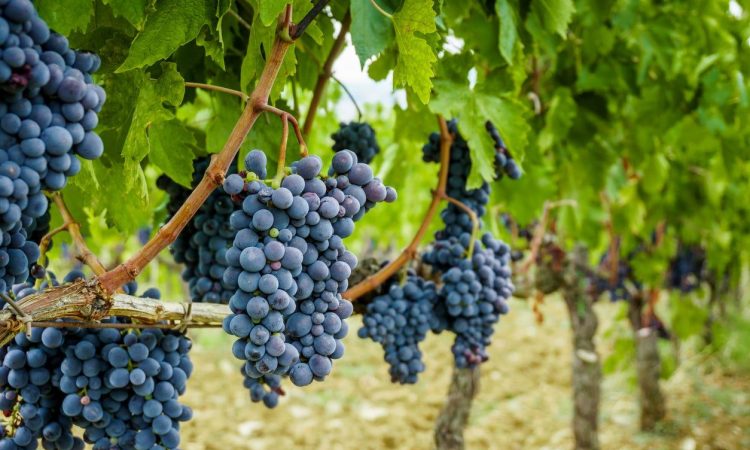
Advances in breeding have produced hardy, disease-resistant varieties of grapevines suited to the British climate, enabling reliable harvests even in less temperate regions. This article explores four exceptional grapevine varieties ideal for UK gardens, offering practical guidance on their cultivation, care, and suitability for various growing conditions. A nursery specialist from ChrisBowers, a reputable supplier of fruit trees for sale, provides expert insight: “Selecting the right grapevine variety is crucial for success in UK gardens. Varieties like Black Hamburgh and Boskoop Glory are well-suited to our climate, offering both flavour and reliability. For those seeking high-quality plants, explore our range of grapevines for sale.
Why Choose Grapevines for UK Gardens?
Grapevines are versatile climbers that thrive in sunny, sheltered locations, making them suitable for gardens, greenhouses, or even large containers. They produce delicious fruit for eating fresh, juicing, or winemaking, while their lush foliage adds ornamental appeal, especially in autumn when leaves often turn striking shades of red or bronze. With the UK’s warming climate, growing grapes has become more achievable, particularly in southern and eastern regions, though northern gardeners can succeed with greenhouse cultivation. Grapevines are also long-lived, often fruiting for decades with proper care, making them a worthwhile investment for those looking to buy fruit trees for sale from trusted nurseries.
The key to success lies in choosing varieties that match local conditions. Hardy, early-ripening grapes perform best outdoors, while dessert varieties often thrive under cover. Most grapevines are self-fertile, meaning a single plant can produce fruit without a pollinator, which simplifies cultivation for small gardens. Additionally, modern breeding has introduced mildew-resistant varieties, reducing the need for chemical sprays and making grape growing more accessible for beginners.
Black Hamburgh: The Classic Greenhouse Choice
Black Hamburgh is a time-tested dessert grape renowned for its reliability in UK greenhouses. This variety, famously planted at Hampton Court Palace in 1768 and still producing today, yields large, sweet, juicy black grapes with a rich flavour. Its vigorous growth and consistent cropping make it a favourite for indoor cultivation, though it can succeed outdoors in warm, southern regions with a sheltered, south-facing position.
This grapevine prefers a greenhouse or conservatory to ensure optimal ripening, particularly in cooler climates. It requires a sturdy support system, such as wires or trellises, to manage its climbing habit. Black Hamburgh is relatively easy to grow, tolerating a range of soil types as long as drainage is good. Regular pruning is essential to maintain its shape and encourage fruit production. In autumn, its foliage turns a deep purple, adding seasonal interest to the garden.
For best results, plant Black Hamburgh in a large container or greenhouse border with a free-draining mix of loam, peat, and grit. Water consistently during the growing season, especially in pots, and feed with a high-potassium fertiliser, such as tomato feed, from spring to early summer. This variety’s seeded grapes are ideal for fresh eating or juicing, offering a sweet, satisfying harvest from August to September.
Boskoop Glory: A Hardy Outdoor Option
Boskoop Glory, a blue-black dessert grape, is celebrated for its hardiness and sweet, rich flavour. Awarded the Royal Horticultural Society’s Award of Garden Merit, this variety is a top choice for outdoor cultivation in the UK, particularly in southern regions. It produces heavy crops of juicy grapes, perfect for eating fresh or incorporating into salads and desserts. Its vigorous growth allows it to reach heights of up to 10 metres, making it ideal for covering pergolas or fences.
This grapevine thrives in sunny, sheltered spots with well-drained soil. It tolerates slightly alkaline conditions, which are common in many UK gardens, and benefits from a south-facing wall to maximise warmth. Boskoop Glory’s mildew resistance reduces maintenance, making it suitable for gardeners seeking low-effort fruit trees for sale. Pruning is straightforward, typically following the cordon or Guyot system, which helps control growth and boost yields.
Boskoop Glory should be planted from October to March, making sure the graft point stays above the ground. Mulch with well-rotted manure or compost to keep moisture in and keep weeds at bay. This type is very drought-tolerant once it reaches maturity, although regular watering is essential during establishment. Grapes are ready for harvesting when they are plump and have a sweet flavour, which happens in August and September.
Phoenix: The Disease-Resistant Dual-Purpose Grape
Phoenix is a standout choice for UK gardeners seeking a versatile grapevine. This white grape variety is prized for its disease resistance, particularly against powdery mildew, which can plague vines in humid conditions. Phoenix produces large bunches of light green grapes suitable for both fresh eating and winemaking, offering a delicate, slightly muscat-like flavour. Its hardiness makes it an excellent option for outdoor growing, even in cooler regions, though it also performs well in greenhouses.
This variety’s compact growth suits smaller gardens or containers, where it can be trained as a standard or along trellises. Phoenix requires full sun and well-drained soil, with a pH of 6.5 to 6.8 for optimal growth. Adding organic matter before planting improves soil structure, while a spring mulch helps retain moisture. Feeding with a balanced fertiliser in early spring, followed by a high-potassium feed during fruit development, supports healthy yields.
Phoenix’s early ripening, typically from late August to early October, ensures a reliable harvest in the UK’s variable climate. Its disease resistance minimises the need for fungicides, making it an eco-friendly choice. Gardeners can expect consistent crops with proper pruning, which should focus on removing excess shoots in summer and cutting back to one or two buds in winter.
Lakemont Seedless: The Sweet, Low-Maintenance Choice
Lakemont Seedless is a game-changer for UK gardeners who prefer seedless grapes for convenience. This white grape variety produces large bunches of pale yellow-green fruit with a sweet, muscat-like flavour, ideal for snacking, juicing, or drying into raisins. Its compact growth and mildew resistance make it a low-maintenance option, suitable for both outdoor and greenhouse cultivation, though it thrives best in warmer, southern regions or under cover in cooler areas.
This variety adapts well to containers, making it a great choice for patios or small gardens. A pot at least 45cm wide and deep, filled with loam-based compost, provides ample space for root development. Lakemont Seedless requires full sun and good air circulation to prevent fungal issues, even with its natural resistance. Regular watering and weekly feeding with a high-potassium fertiliser during the growing season promote healthy fruit set.
Harvesting occurs in September, with grapes ready when they detach easily from the vine and taste sweet. Lakemont’s compact size and manageable growth make it ideal for beginners or those with limited space. Pruning follows the same principles as other grapevines, with winter cuts to maintain structure and summer thinning to improve air circulation and fruit quality.
Planting and Training Grapevines
Successful grapevine cultivation begins with proper planting and training. Grapevines should be planted between October and March, when dormant, to avoid frost damage. Choose a sunny, sheltered location, ideally south-facing, to maximise warmth and fruit ripening. For outdoor planting, dig a hole twice the size of the rootball, incorporating compost or well-rotted manure to improve drainage. Position the vine 20cm from a wall or fence to allow root spread, and ensure the graft point is above soil level.
Support structures are essential, as grapevines are vigorous climbers. Horizontal wires, trellises, or pergolas work well for outdoor vines, while greenhouse growers can train stems along roof beams or wires. The Guyot system, commonly used in vineyards, involves training one or two main stems horizontally, cutting back to a few buds each winter. The cordon system, ideal for smaller spaces, trains a single vertical stem with short side arms, pruned annually to maintain fruiting spurs.
For container-grown vines, use a pot at least 30cm deep and wide, filled with a free-draining mix like John Innes No. 2 combined with grit. Water regularly, especially during dry spells, and feed with a balanced fertiliser in spring, switching to a high-potassium feed in summer. Mulching with compost or bark helps retain moisture and protect roots, particularly for outdoor vines.
Caring for Grapevines Through the Seasons
Grapevine care varies by season to ensure healthy growth and bountiful harvests. In spring, apply a balanced fertiliser to encourage new growth and remove weeds around the base. Train new shoots along supports, pinching back unwanted side shoots to maintain structure. Summer care involves regular watering, especially for potted vines, and thinning overcrowded leaves to improve air circulation and prevent mildew. Feed weekly with a high-potassium fertiliser until grapes begin to ripen.
In autumn, harvest grapes when fully ripe, typically from August to October, depending on the variety. Cut whole bunches with sharp scissors to avoid damaging the vine. Clear fallen leaves to reduce fungal risks and apply a fresh mulch layer. Winter is the time for main pruning, conducted between December and February when the vine is dormant. Remove weak or dead wood and cut back side shoots to one or two buds to encourage next year’s fruiting.
Pests and diseases, such as red spider mites in greenhouses or powdery mildew outdoors, can affect grapevines. Maintaining good hygiene, ensuring adequate ventilation, and using organic fungicides when necessary can mitigate these issues. Mildew-resistant varieties like Phoenix and Lakemont Seedless reduce the need for chemical interventions, making them easier to manage.
Using and Storing Your Grape Harvest
Grapes offer versatility in the kitchen, whether eaten fresh, juiced, or turned into wine, jelly, or raisins. Black Hamburgh and Boskoop Glory are excellent for fresh eating or salads, while Phoenix and Lakemont Seedless suit both culinary uses and winemaking. To store, refrigerate fresh grapes in a breathable bag for up to a week. For longer storage, freeze whole clusters or juice the grapes for later use. Drying Lakemont Seedless grapes into raisins is another option, achievable with a dehydrator or low oven.
For winemaking, Phoenix and other wine grape varieties produce small, flavourful grapes ideal for home vintages. Harvest when grapes are fully ripe but not overripe, as this affects flavour. Basic winemaking kits, available from suppliers of fruit trees for sale, can guide beginners through the process. Grapes can also be roasted with meats or paired with cheeses, adding a fresh, homegrown element to meals.
Conclusion
Growing grapevines in UK gardens is a rewarding endeavour, offering both delicious fruit and ornamental beauty. Black Hamburgh, Boskoop Glory, Phoenix, and Lakemont Seedless stand out as top choices for their adaptability, flavour, and ease of care. By selecting the right variety, planting in a sunny, well-drained location, and following proper pruning and care techniques, gardeners can enjoy bountiful harvests for years. Whether you’re a novice or an experienced grower, these grapevines provide a practical and fruitful addition to any garden, transforming sunny spots into productive, vine-covered havens.